 Skip to content
In 2026, AI and SEO are more connected than ever. AI Overviews and AI Mode have changed how people search by providing instant answers, increasing zero-click searches, and replacing some traditional blue-link traffic with AI-generated citations. However, the goal of SEO remains the same: helping search engines understand and trust your content. Google’s AI systems still rely on high-quality websites with clear structure, relevant information, and authoritative sources to generate accurate responses.
What has not changed is the foundation. Google confirms that optimizing for AI search is still SEO, so technical health, fast page speed, structured data, genuine expertise, and citation-worthy content remain essential. Websites that publish original, helpful, and well-organized content while following E-E-A-T best practices are more likely to earn visibility in both traditional search results and AI-powered experiences, making SEO a critical part of success in the AI era.
How has AI changed SEO in 2026?
AI has changed where search results appear and how people interact with them, more than it has changed the rules of ranking. Google’s AI Overviews now sit above traditional results for many queries, and AI Mode has become a default, conversational way to search for a large share of users. The result is more answers given on the results page itself, which means more searches end without a click to any website. Helping businesses navigate this shift is the core of our SEO services.
The headline change is the rise of zero-click search and AI citations. When the answer is summarised on the page, the prize shifts from a blue-link visit to being the source the AI cites. That is a real change in how visibility converts to traffic, and it is why 2026 feels different even though the underlying ranking signals are familiar. Google’s own guidance on AI features and your website is the primary reference for how this works.
What is the difference between AI Overviews and AI Mode?
AI Overviews and AI Mode are two different AI surfaces in Google Search. AI Overviews are AI-generated summaries that appear automatically above the normal results for certain informational queries, with links to cited sources. AI Mode is a separate, conversational search experience, more like a chatbot inside Search, that a user enters deliberately and that handles complex, multi-part questions across a back-and-forth.
The practical difference is exposure and intent. AI Overviews reach users in their normal search flow whether they asked for AI or not, while AI Mode is chosen by users who want a conversational answer. Both pull from the open web and cite sources, so both reward the same underlying quality, but their prominence varies sharply by query type and industry.
Why AI and SEO Go Hand in Hand in 2026
AI and SEO are no longer separate strategies they work together to improve search visibility. As Google integrates AI into Search through AI Overviews and AI Mode, SEO provides the foundation that helps AI understand, evaluate, and cite your content. Strong technical SEO, helpful content, structured data, and E-E-A-T signals make it easier for AI systems to trust your website and include it in AI-generated answers.
This section fits naturally into your article without changing the existing content and creates a smooth transition into “How has AI changed SEO in 2026?”
What has actually changed for SEO?
What has actually changed is the relationship between ranking and traffic, not the ranking signals themselves. Ranking first no longer guarantees the click it once did, because an AI Overview can answer the query above your result. Being cited inside the AI answer has become its own form of visibility, and success is increasingly measured by citations and impressions in AI surfaces, not only by classic blue-link clicks.
The table below contrasts the old model with the 2026 reality.
| Aspect | Before AI search | 2026 with AI search |
| Main goal | Rank in the top blue links | Rank and be cited in AI answers |
| Traffic pattern | Clicks follow high rankings | More zero-click, lower top CTR |
| Success metric | Rankings and organic clicks | Citations, AI impressions, clicks |
| Content that wins | Helpful, well-optimised pages | The same, plus liftable answers |
What still works in SEO, and always will?
The fundamentals still work, and Google has been direct about it across its Search Central blog: optimizing for generative AI search is optimizing for the search experience, and thus still SEO. There are no separate requirements to appear in AI Overviews or AI Mode. Clean technical SEO, fast and crawlable pages, genuine expertise and trust, helpful people-first content, and structured data are exactly what win in both classic and AI search. The foundation did not move.
This is the reassuring half of 2026. Sites that kept their technical health current, demonstrated real expertise, and structured their pages so machines can read them are the ones being cited, which our guide to on-page versus off-page SEO in 2026 reinforces. The teams panicking about AI are usually the ones who neglected the basics; the teams winning simply did the fundamentals well.
How do you get cited in AI Overviews and AI Mode?
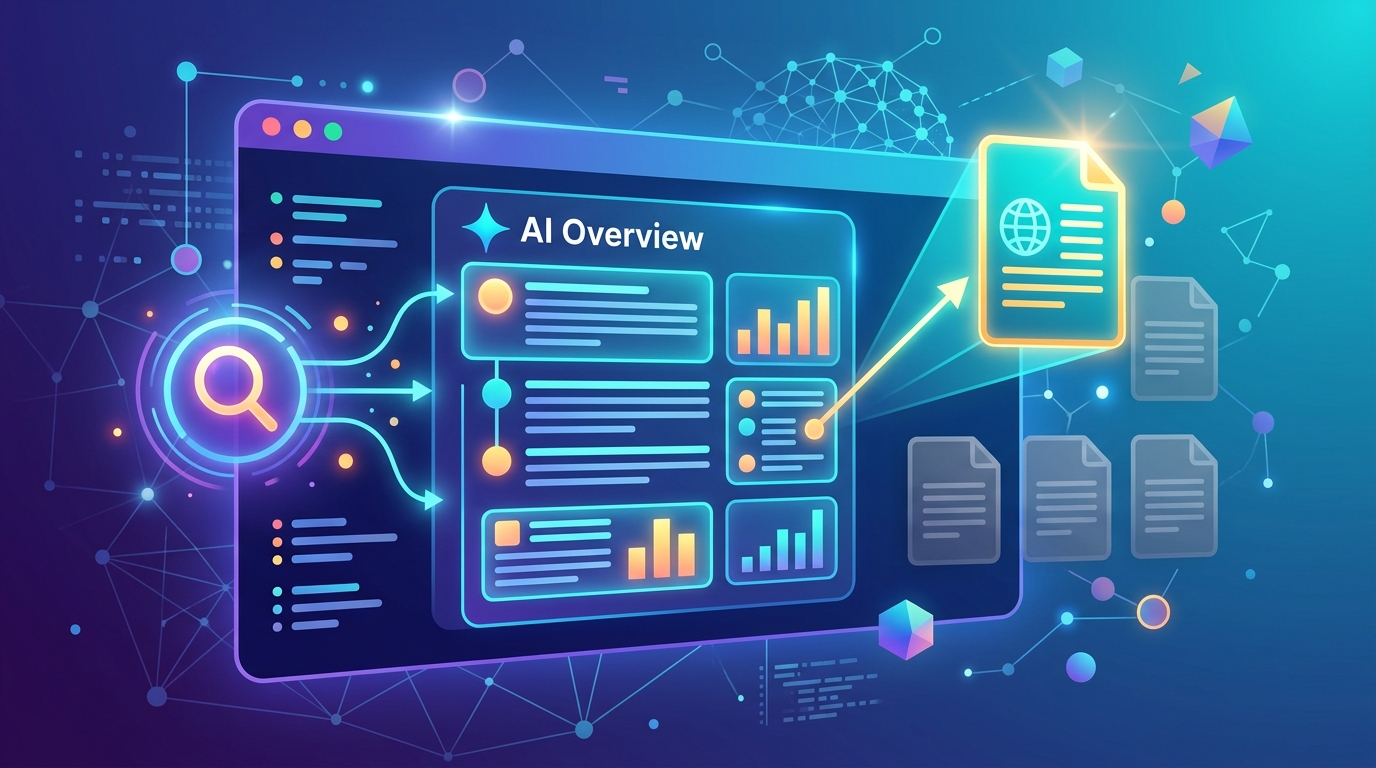
You get cited in AI answers by writing content that an AI can lift cleanly and trust, on top of strong SEO. That means leading each section with a direct, self-contained answer of a sentence or two, using clear question-style headings, naming specific facts and entities, and adding structured data so machines parse the page accurately. Demonstrable expertise and original information, rather than rehashed summaries, are what AI engines prefer to cite.
This is the discipline often called Generative Engine Optimization, but it is really good SEO applied with citation in mind. Definition-first paragraphs, named author expertise, and genuinely useful, primary-source content are the same signals that win featured snippets and now win AI citations, a continuation of the tactics in our guide to ranking in ChatGPT and Google AI search. Write to be the source, not the summary.
What new metrics matter in 2026?
New metrics in 2026 measure AI visibility alongside the classic ones. Google Search Console now reports impressions in AI surfaces, so you can see which pages earn AI exposure, and tracking AI citations and brand mentions across assistants matters as much as rank tracking, which is part of how our SEO services measure success. Clicks still count, but they are now one signal among several rather than the whole scoreboard.
The table below shows the metrics worth watching now.
| Metric | What it measures |
| AI surface impressions | Exposure in AI Overviews and AI Mode |
| AI citations | How often AI answers cite your pages |
| Brand mentions in assistants | Visibility in ChatGPT, Gemini, Perplexity |
| Organic clicks and rankings | Still core, now alongside the above |
Does AI mean SEO is dead?
No, AI does not mean SEO is dead; it means SEO has expanded. The work of earning visibility in search is still SEO, and Google itself frames AI optimization as a continuation of it. What has died is the assumption that a top ranking automatically equals traffic, which pushes the focus toward being the cited, trusted source rather than just a ranked link. The skill set grows; it does not disappear.
The honest framing is that traffic patterns are shifting, not vanishing. Some informational queries now convert to AI answers instead of clicks, but commercial and complex queries still send visitors, and being the source AI trusts compounds brand authority. Treating AI as the end of SEO is the wrong lesson; treating it as a new surface for the same fundamentals is the right one.
Adapting your SEO for AI with Osama Naseem
Adapting to AI search is mostly about doing the fundamentals deliberately and adding a citation-first layer on top. We audit a site’s technical health, expertise signals, and structured data, then shape content so it ranks and gets lifted into AI answers, and we track the new AI metrics alongside the classic ones. Our SEO services are built for both classic and AI search rather than chasing one at the expense of the other.
The brands winning in 2026 are not the ones with an AI gimmick; they are the ones whose fundamentals are clean and whose content earns trust. That is the approach we take with clients, grounded in what Google actually says works, which our wider view of AI and the future of SEO explores further.
Final Thoughts
AI changed the surface of search in 2026, not its foundation. AI Overviews and AI Mode bring more zero-click results and make AI citation a new form of visibility, but Google is clear that optimizing for AI search is still SEO. Clean technical health, real expertise, helpful content, and structured data win in both worlds, with a citation-first layer added on top. The fundamentals did not die; they got more important.
If you want an SEO strategy built for both classic rankings and AI search, rather than a gimmick chasing one surface, let us help. Get in touch for an AI-ready SEO plan grounded in what Google actually rewards.
Frequently Asked Questions
Is SEO still worth it in 2026 with AI search?
Yes. Google states that optimizing for AI search is still SEO, so the work of earning visibility has not gone away, it has expanded. Traffic patterns are shifting toward zero-click and AI citations for some queries, but commercial and complex searches still drive visitors, and being the cited source builds lasting authority. SEO is more valuable, not less.
Do I need to do anything special to appear in AI Overviews?
Not separately. Google confirms there are no additional requirements to appear in AI Overviews or AI Mode beyond strong SEO. Clean technical health, genuine expertise, helpful content, and structured data are what get pages cited. Writing direct, self-contained answers under clear headings simply makes your content easier for AI to lift.
What is the difference between SEO and GEO?
SEO is optimizing to rank in search, and GEO, or Generative Engine Optimization, is optimizing to be cited in AI-generated answers. In practice they overlap almost entirely, because the same signals, expertise, structure, and quality, drive both. GEO is best understood as SEO applied with AI citation in mind, not a separate discipline.
Has AI reduced website traffic from Google?
For some informational queries, yes, because AI Overviews answer the question on the results page and reduce clicks. The impact varies sharply by industry, with B2B and informational niches seeing more AI exposure than transactional e-commerce. The response is to target queries that still convert and to become the source AI cites, rather than abandoning SEO.
How do I get my content cited by ChatGPT or Google AI?
Write content AI can lift and trust: lead with direct answers, use clear question headings, name specific facts and entities, show real author expertise, and add structured data. Original, primary-source information is cited more than rehashed summaries. These are the same signals that win featured snippets, now applied so AI engines quote your page as the source.
